080101
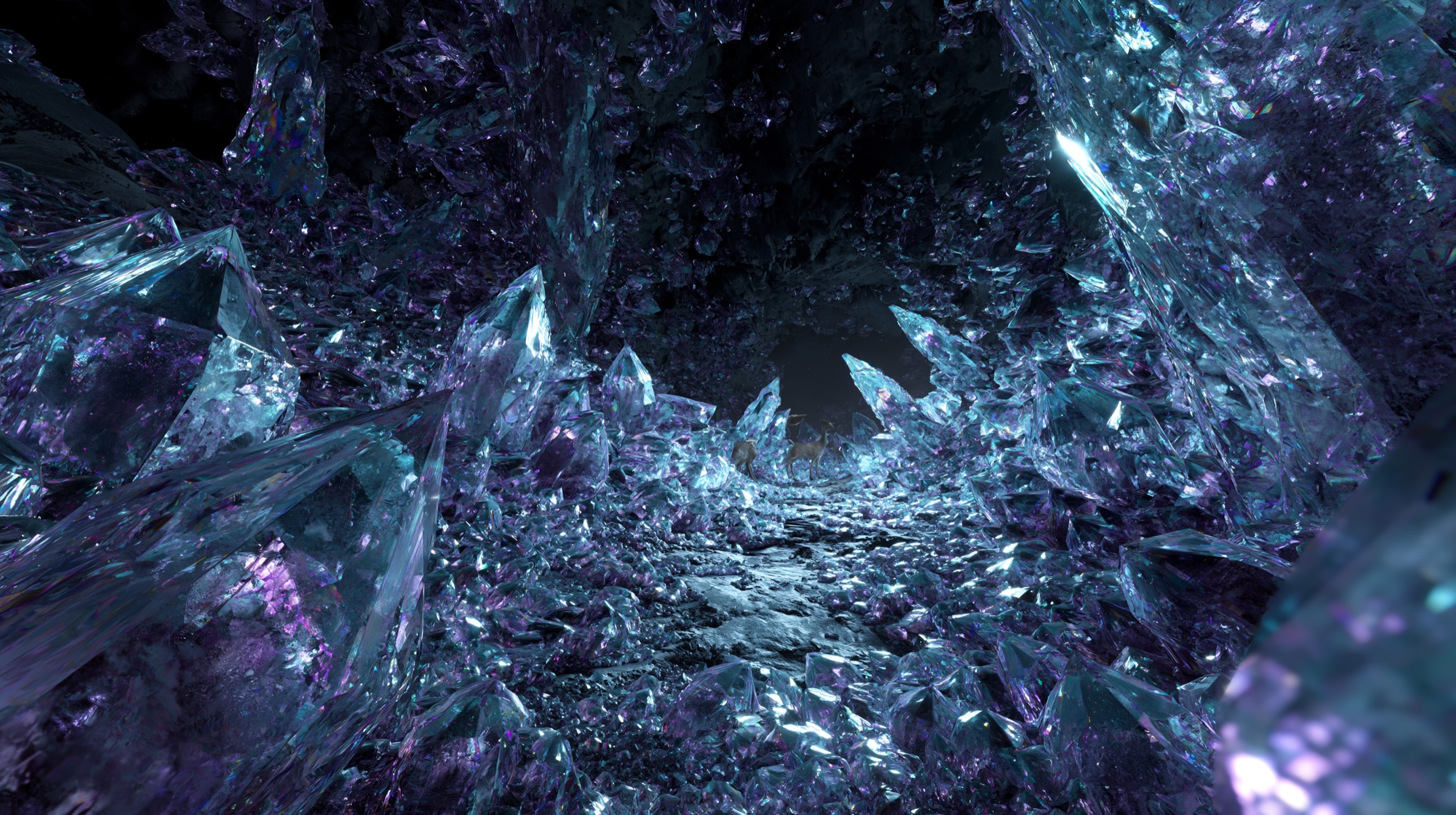
Purple and blue crystal cave generated as an AI image study

Sean Richardson

Creative judgment for AI image, video, taste, humor, and internet-native voice.

What I am actually useful for

I can tell when an output has style, when it is just shiny, and what direction would make it land.

I am building a personal project called Taste Engine with Codex and OpenClaw. The project is about teaching an AI system my creative judgment: what has taste, what feels cheap, what misses emotionally, what is funny, and what needs a different direction.

I use AI image and video tools regularly, but the important part is not just prompting. The useful part is being able to look at an output and explain the difference between texture and noise, uncanny and interesting, cinematic and empty, funny and forced.

Selected image studies

The point is not that every image is finished. The point is that I can see what is worth pushing.

Wide AI image of a glowing crystalline cave path
01 / environment and material

Crystal environment study

This is the strongest direction in the set: the image has a readable path, a real sense of depth, and the crystal density feels intentional instead of random. The useful critique is keeping the scale and atmosphere while preventing the highlights from turning into generic fantasy sparkle.
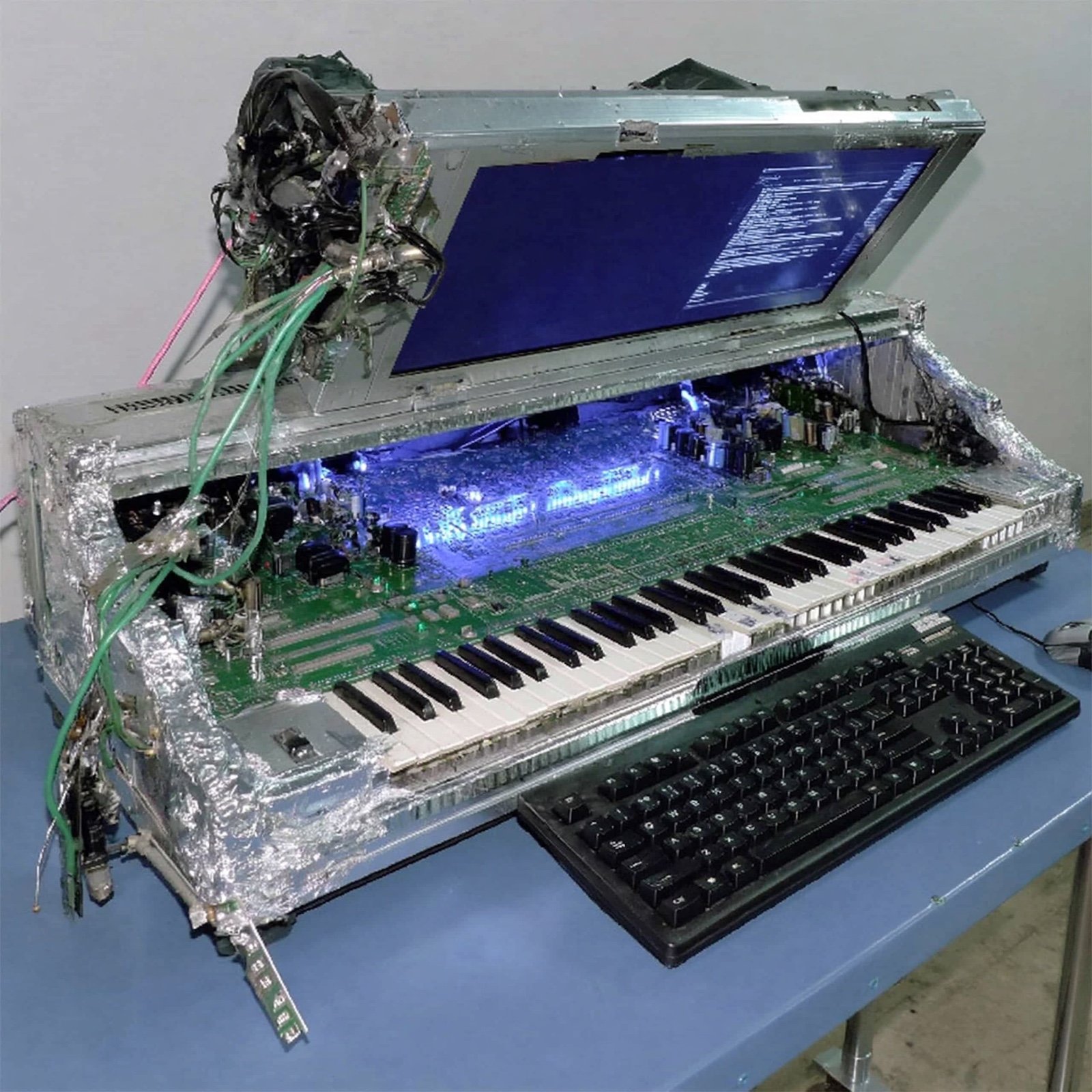
AI image of a translucent cybernetic synthesizer and computer object
02 / object logic

Techno-organic synth object

This direction is useful because it has a real object idea, not just atmosphere: instrument, computer, exposed circuit board, glowing interior, corrupted workstation. The next pass should make the silhouette cleaner and decide whether it is a product render, a prop, or a still from a scene.

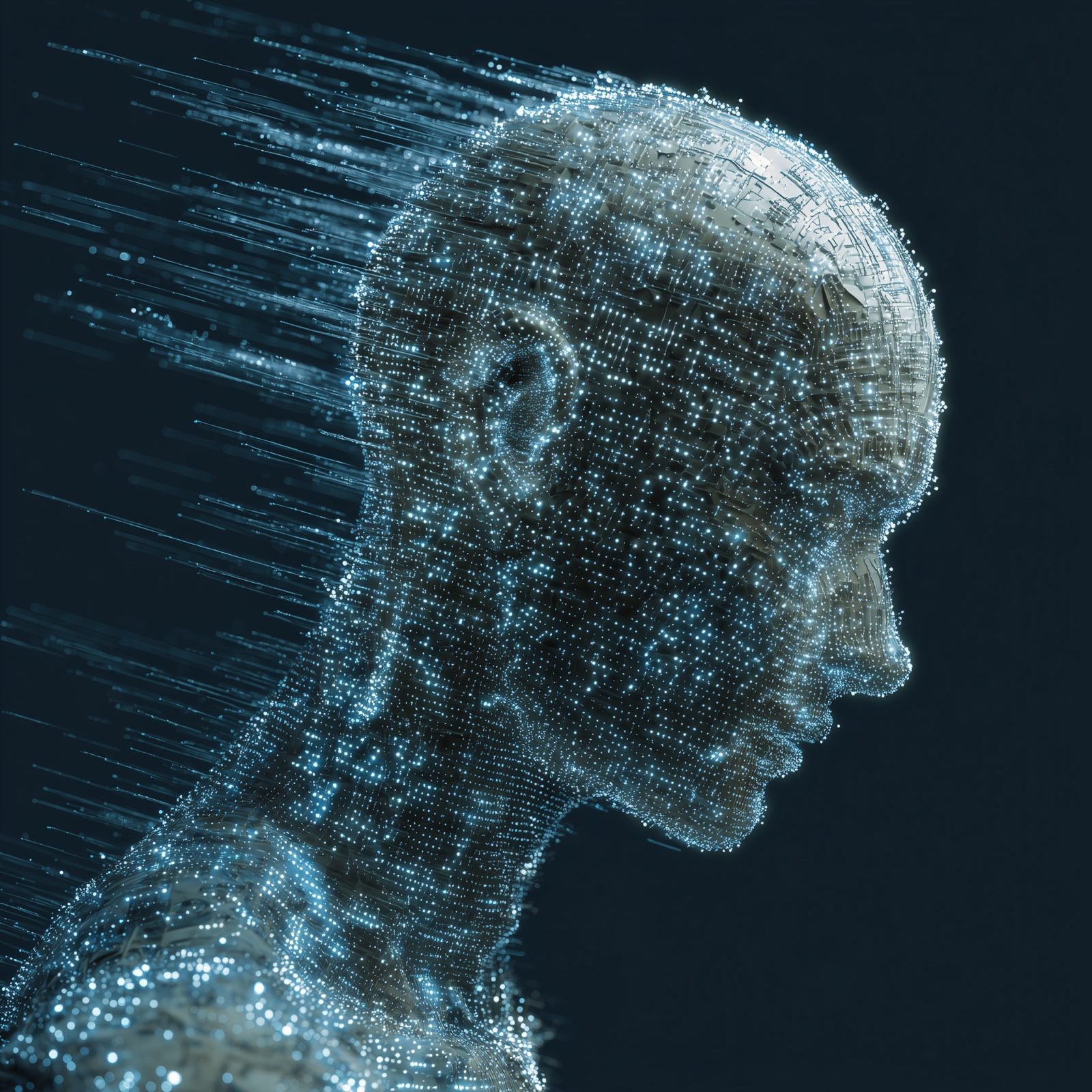
AI image of a glowing data-like human head in profile
03 / motion and identity

Data-head motion study

This has the clearest video potential. The head reads instantly, the light points create motion, and the trailing data gives a reason for animation. I would test it as a five-second loop, then judge where the model breaks: facial structure, particle direction, temporal consistency, and whether the motion still feels human.

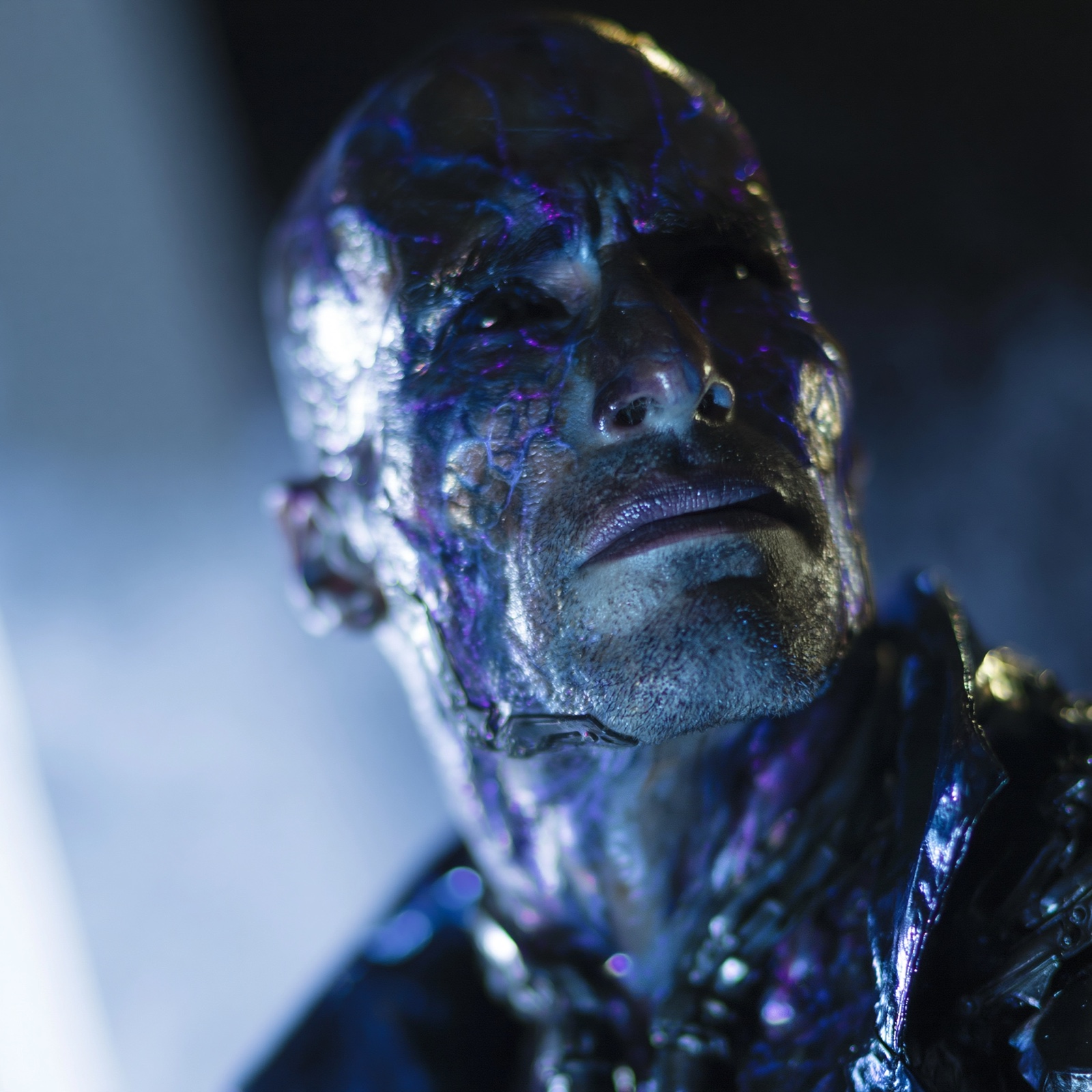
Chrome and violet cybernetic face close-up
Uncanny face Strong material and mood; needs a sharper decision on human, mask, or machine.
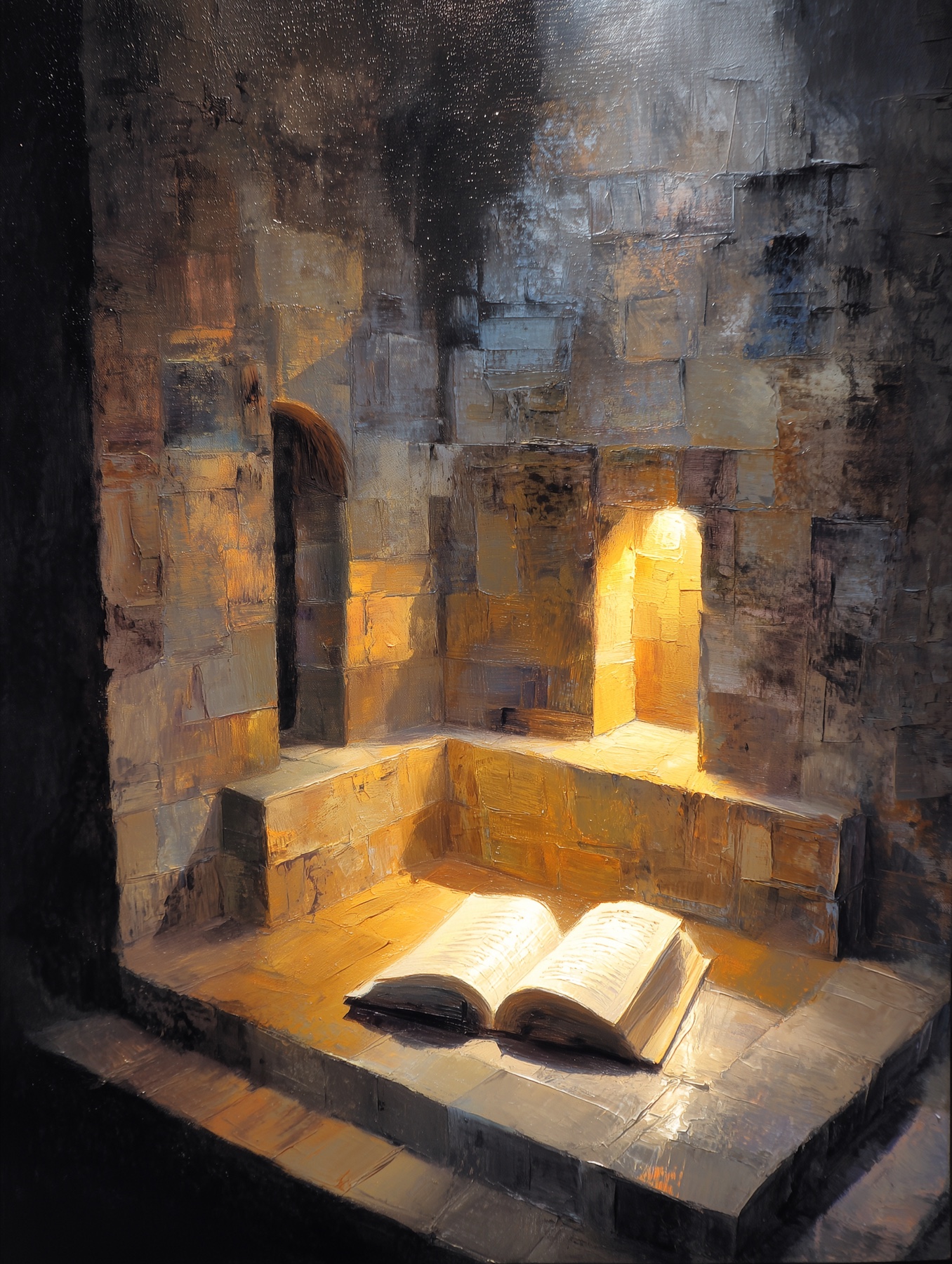
Warm stone room with a glowing open book
Warm contrast Breaks the cyber palette and proves the taste is not only blue-purple gloss.
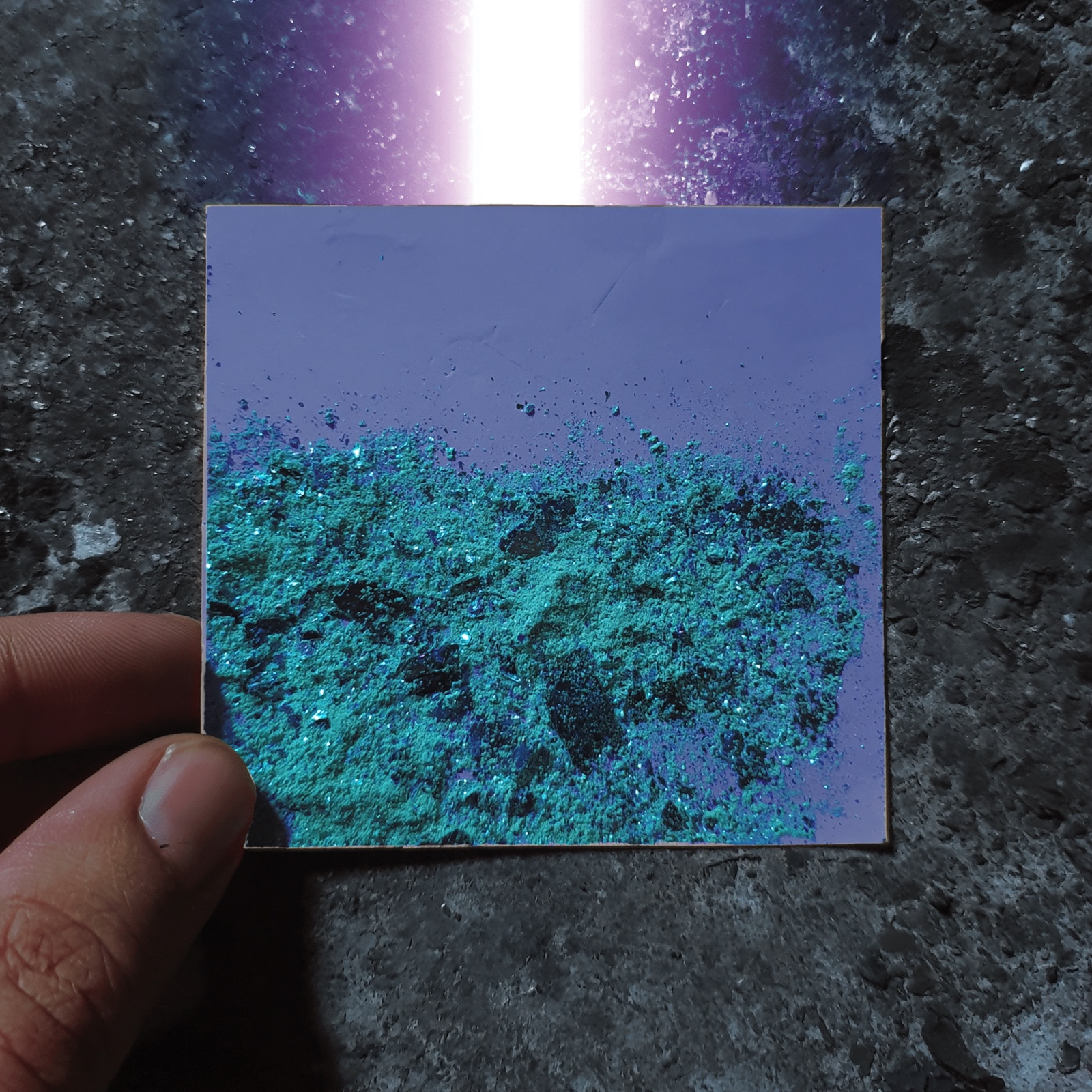
Hand holding a glowing material sample card
Material sample Good physical read: hand, card, dust, light source, texture, scale.
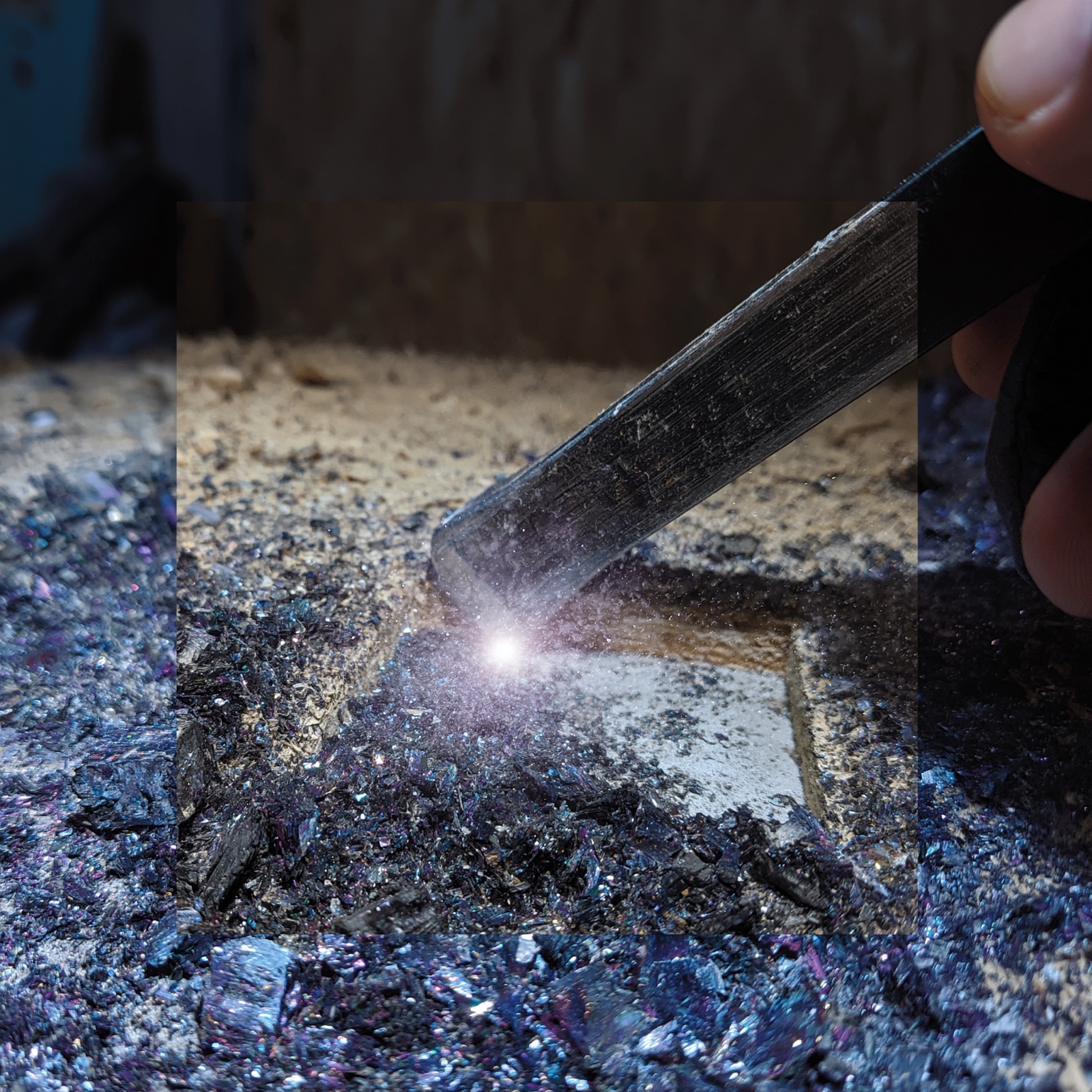
Tool scraping glowing crystalline dust from a surface
Process shot Useful for video because it implies action, sound, friction, and cause.
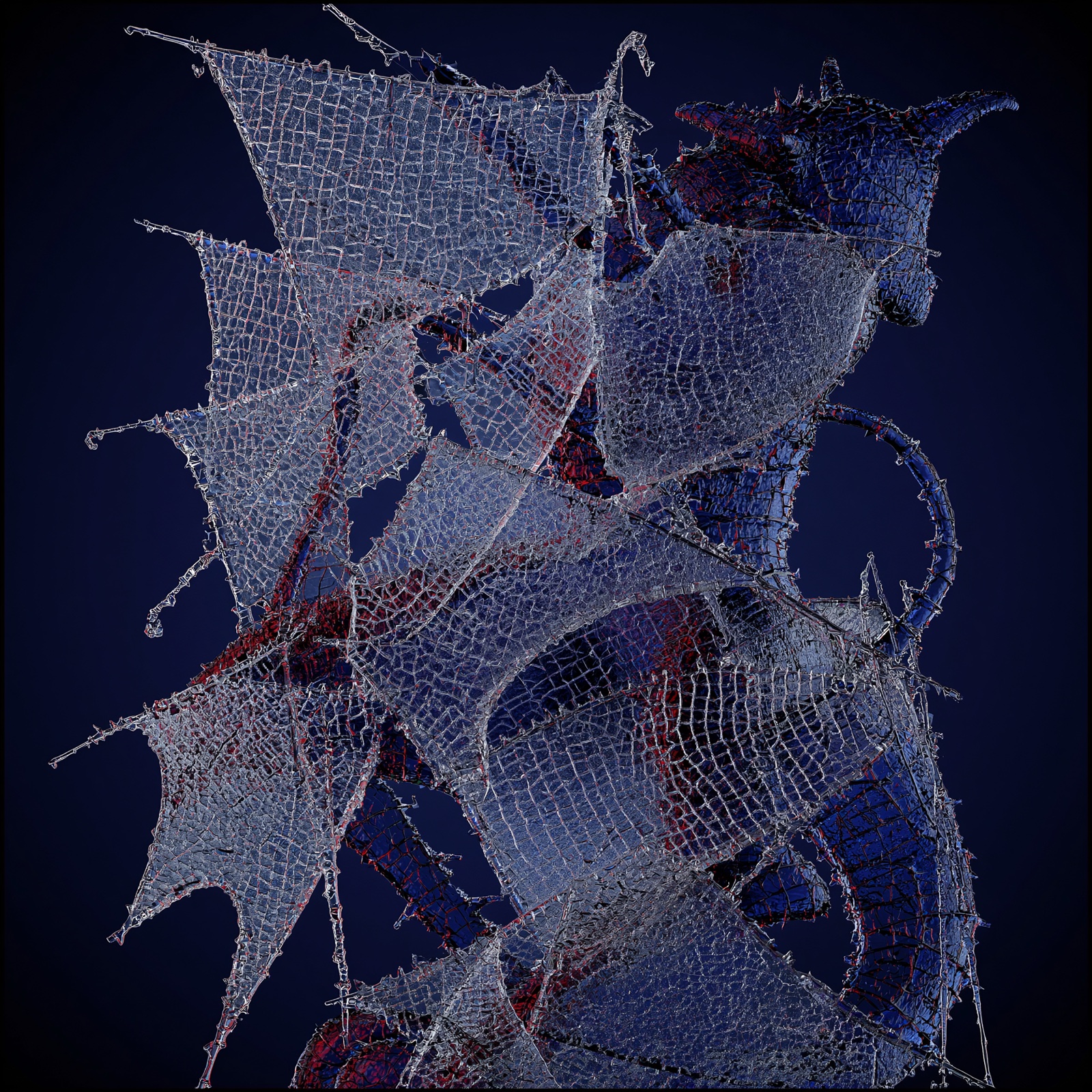
Iridescent fractured foil structure on a dark background
Structure Interesting as a texture system, but only works if the fragile edges are intentional.
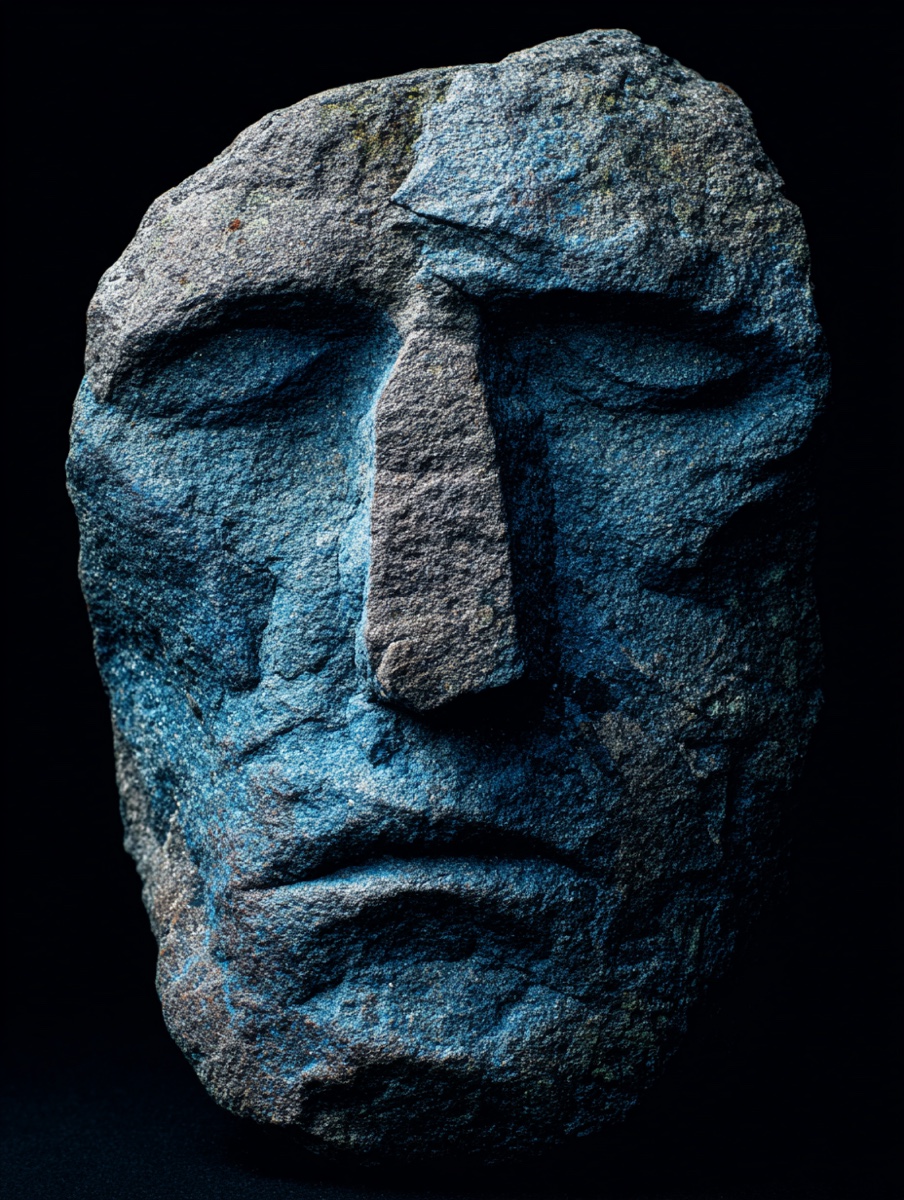
Blue stone mask face on a black background
Icon Simple, readable, and direct. Good reference for restraint.
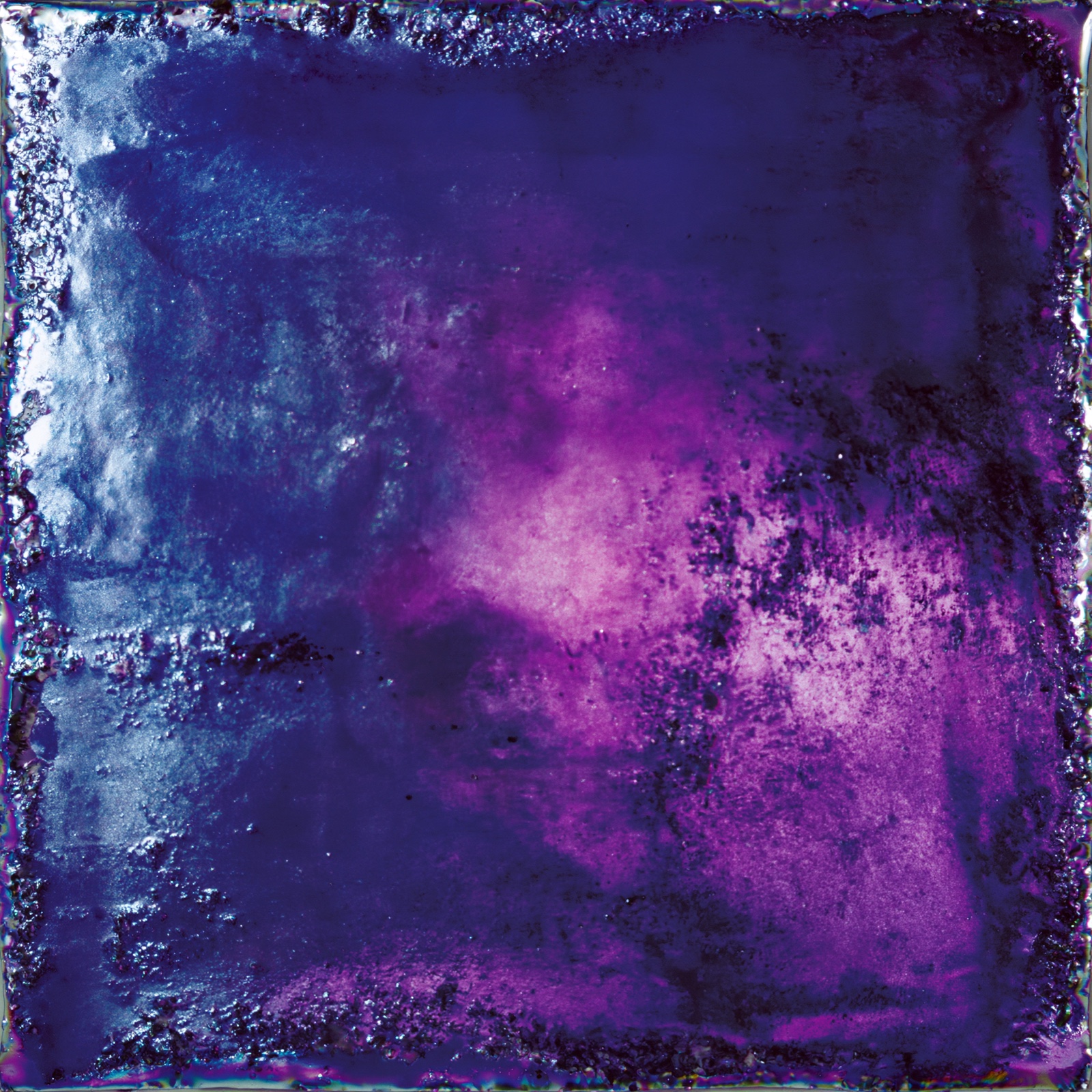
Violet and cyan abstract material panel
Texture Better as source material than a finished portfolio image.
Miniature Mediterranean village with trees and canals
Range Softer, brighter, and more illustrative; useful as contrast to the cyber lane.

How I judge creative output

The job is not to like everything. The job is to know what is worth saving.

01

Image

Composition, light, palette, material logic, prompt fit, artifact detection, and whether the image has a real point of view.

02

Video

Pacing, movement, scene logic, continuity, character consistency, transitions, and whether the clip actually lands instead of only looking busy.

03

Audio

Music is my favorite hobby. I care about rhythm, texture, references, vocal presence, and using AI analysis to describe why a song hits.

04

Wit

Humor, timing, cultural fluency, and knowing when a response sounds alive versus when it sounds like a brand deck wearing a hoodie.

Portfolio pieces to make from this

Make fewer things, but make the thinking visible.

These are the strongest next samples for image, video, style, and taste roles. They are small enough to finish fast and specific enough to prove judgment.

  1. Crystal cave critique page Put four cave variants side by side. Rank them. Explain depth, repeated forms, specular highlights, color control, and why the final pick wins.
  2. Object logic breakdown Use the techno-synth image as a prop-design sample: what the object is, what feels memorable, what feels confused, and what the next prompt would fix.
  3. Data-head video loop Make or review a 5-10 second loop from the data-head direction. Judge motion, face consistency, particle direction, pacing, and whether it still feels alive.
  4. Material artifact control Use the glowing card, scrape shot, and foil texture to explain texture versus noise, physical plausibility, edge artifacts, and when a glitch looks intentional.
  5. Public Taste Engine note Write a short public-safe note about the project: giving AI better taste signals, not more robotic instructions. No confidential work, no fake claims.

Public social proof

Internet taste is not abstract. People either react or they do not.

My public proof is not a polished brand case study; it is evidence that I understand timing, tone, and how people actually talk online. My Instagram comments from @2024.4048 have reached hundreds to thousands of likes, including recent examples at 207 and 736 likes.

I have also had multiple TikToks involving me circulate around Molly Santana tour moments. I would use that lightly in applications: as cultural timing proof, not as the whole pitch.

Current tool fluency

The tools are changing fast, so the useful skill is comparing outputs clearly.

ChatGPT Images

Midjourney

Nano Banana Pro

Grok Imagine

Seedance 2.0

Gemini Omni

Veo 3.1

Codex

OpenClaw

Gemini audio analysis

Sean Richardson / Garden Grove, California

X: @OverlyGiving Instagram: @2024.4048